

Social media isn’t just a branding channel anymore. It’s a search engine. A discovery engine. And increasingly, it shapes how Google Search and AI systems understand your brand. A recent study found that 45% of Gen Z users prefer searching on TikTok or Instagram over Google when looking for recommendations or information. And research also shows that over 54% of consumers use social media to research products before making a purchase decision. If your social media marketing and SEO are operating separately, you’re leaving visibility on the table.
Quick Answer: What Is Social Media SEO?
Social media SEO aligns your social media activity with your broader search engine optimization (SEO) strategy. When social media content reinforces your website’s keywords, topics, and expertise, it helps:
- Increase brand visibility across platforms
- Drive referral traffic to your website
- Strengthen branded search demand
- Improve authority signals for search engines and AI systems
In this guide, you’ll learn:
- What is social media optimization?
- What is social media SEO?
- The difference between social media SEO and SMO
- Why social media SEO matters for rankings and AI visibility
- How to use SEO for social media (step-by-step strategy)
- Best social media platforms for SEO
- Common social media optimization mistakes
Let’s start with the basics.
Why Is Social Media SEO Important for Rankings and Visibility?
Social media absolutely influences search performance. Here’s how and why:
 1. Search Behavior Has Changed
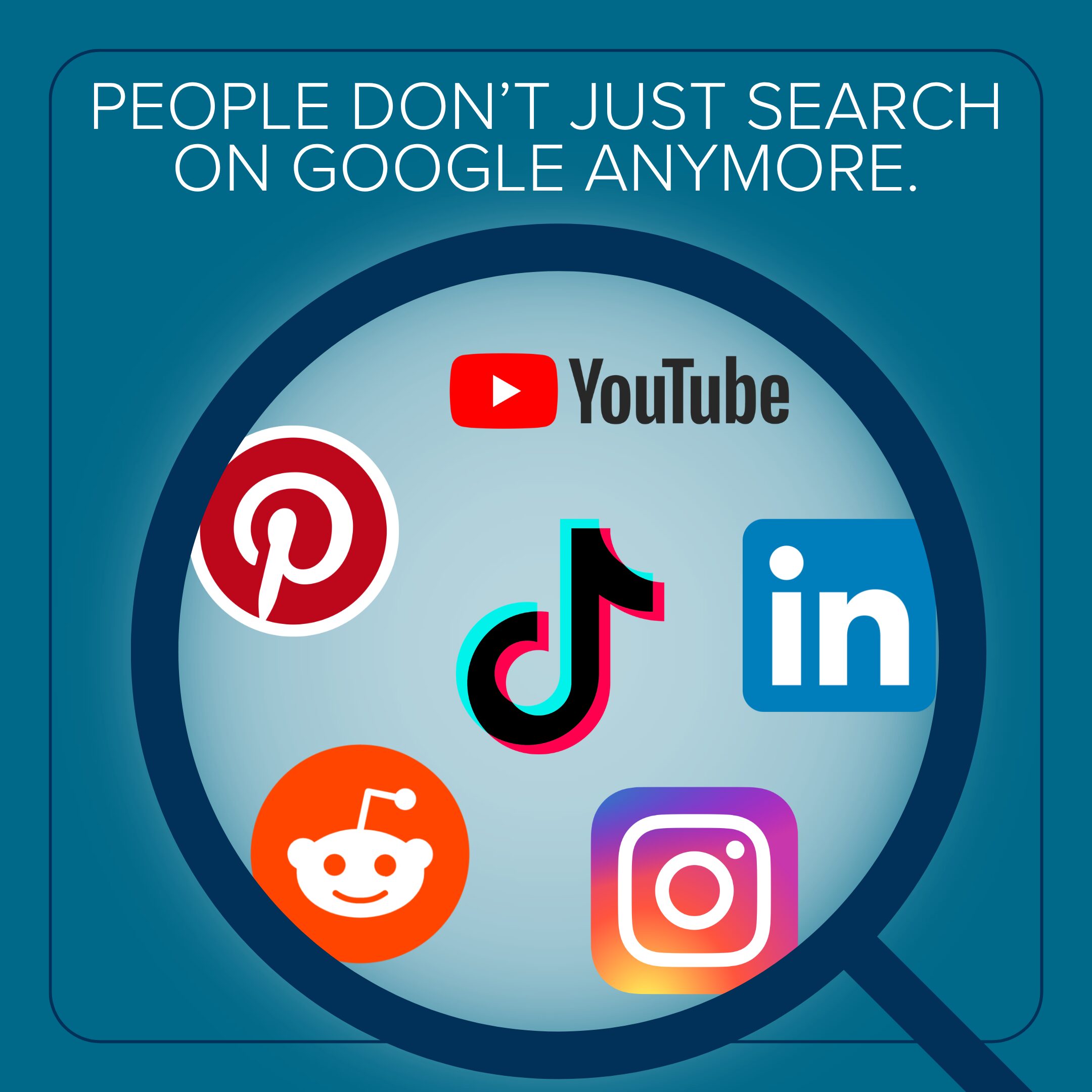
People don’t just search on Google anymore. They search on:
- YouTube
- TikTok
Google Search indexes many social profiles. YouTube videos regularly appear in search results. LinkedIn posts can rank for industry terms. AI-driven search tools also surface content from multiple platforms. Your SEO strategy should adapt to these changes.
2. Social Activity Drives Branded Search
When your content performs well on social media, that raises brand awareness and more people remember your brand. This can lead to more direct searches for your business name, and branded search volume is a powerful authority signal:
- It improves click-through rates.
- It reinforces recognition.
- It compounds visibility.
Social exposure fuels search demand. Search demand fuels brand authority and leads to higher visibility.
3. Content Amplification Creates Backlink Opportunities
Backlinks remain one of the strongest ranking signals in SEO. Social distribution increases the likelihood that your content earns them. High-performing social content expands reach, and more reach means more visibility to journalists, bloggers, creators, and industry peers. Again, it’s amplification that fuels brand awareness and authority.
4. AI and AEO Reinforce Multi-Platform Authority
AI-powered search experiences evaluate authority across sources. So, consistency matters. If your messaging, keywords, and expertise are reinforced across all channels, your brand appears more credible to humans and LLMs. Search engines and AI reward clear signals and consistent messaging. Social media SEO strengthens both.
Best Social Media Platforms for SEO
The right social media platforms depend on your audience. For instance, LinkedIn might be the top channel for a B2B business while Instagram might be a primary channel for a creative agency. But when it comes to SEO, some offer more value than others. Here are a few to consider:
YouTube
YouTube (owned by Google) is the second-largest search engine in the world, and videos appear directly in search results. Users watch more than 1 billion hours of video every day, and over 70% of viewers report using YouTube to help solve a problem or learn something new. Best for:
- Educational content
- Tutorials
- Product demos
- Long-form explainers
 LinkedIn
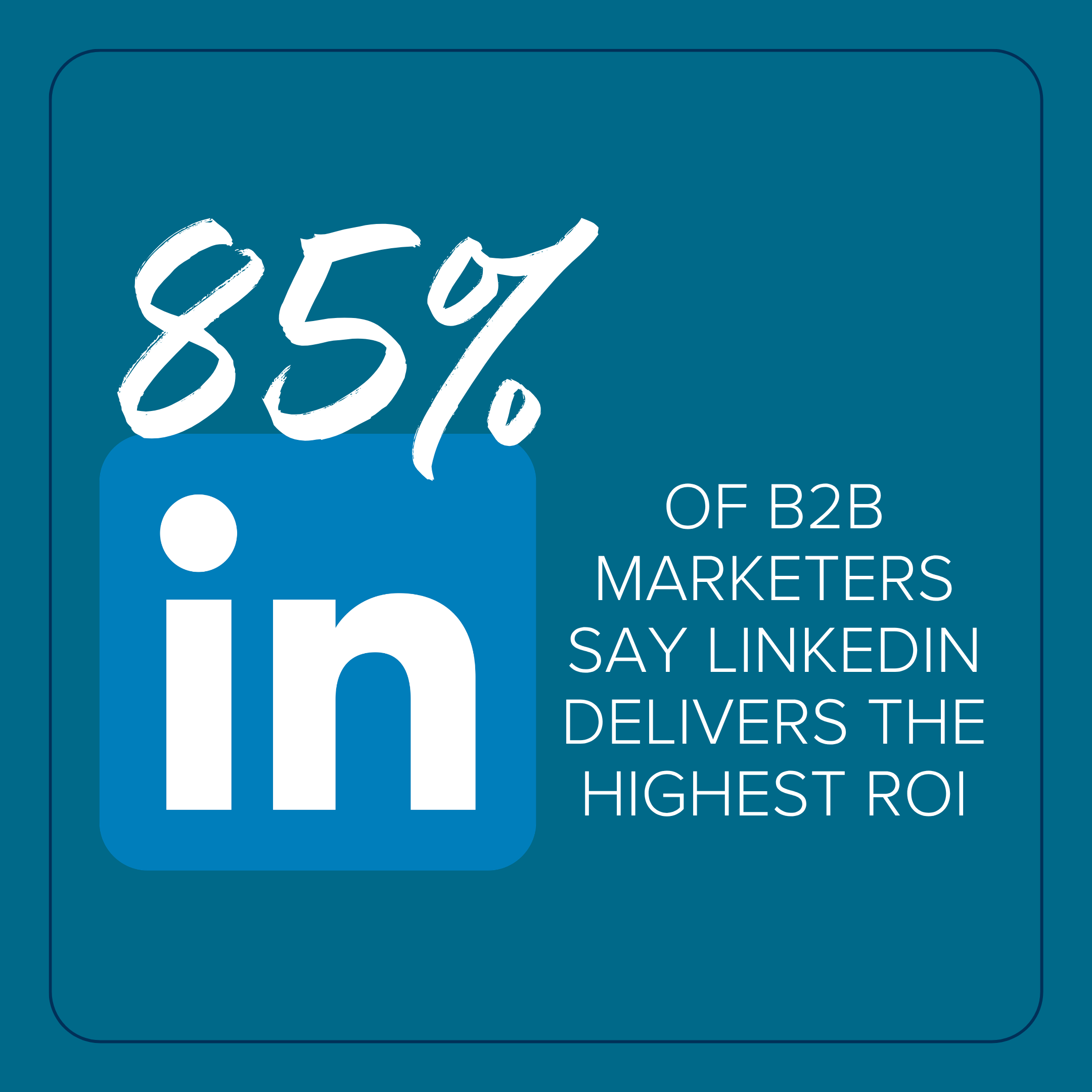
LinkedIn profiles and posts are indexed. It’s a powerful platform for B2B authority. LinkedIn has over 1 billion members globally, and 85% of B2B marketers say it delivers the highest ROI, making it one of the most effective platforms for professional visibility and influence. Best for:
- Professional services
- Consultants
- SaaS companies
- Industry thought leadership
Pinterest functions as a visual search engine. Pins can rank for high-intent queries and sometimes in Google image search results. More than 500 million people use Pinterest (90 million in the U.S. alone), and it generated $3.6 billion revenue in 2024, a 20.3% increase from the year before. Best for:
- Ecommerce
- Design
- Home improvement
- Lifestyle brands
Instagram & Facebook
With over 3 billion monthly active users each, Instagram and Facebook remain two of the most widely used social platforms in the world. Both platforms are often the front door to brand discovery for many small- and medium-sized businesses, with particularly strong engagement for researching products, services, and local businesses.
- Local businesses
- Retail
- Restaurants and service providers
- Community-driven brands
TikTok
TikTok now has over 1 billion monthly active users, and recent studies show 40% of Gen Z users prefer TikTok or Instagram for search over Google when looking for recommendations. Brands have taken notice. Fifty-seven percent of marketers report using TikTok in their marketing strategy and one most marketers plan on using in 2026. The platform excels at surfacing educational, problem-solving, quick-answer content — and TikTok’s algorithm can help even smaller brands achieve meaningful reach with well-structured video content. Best for:
- Consumer brands
- Lifestyle businesses
- Educational snippets and tutorials
- Businesses targeting younger demographics
- Behind-the-scenes content and storytelling
️ Authentic and spontaneous content tends to do well on TikTok. You don’t need high production value to gain traction.
Common Social Media Optimization Mistakes That Hurt SEO
Many businesses “do social” without a clear marketing strategy. That’s a mistake. So are these: Treating social and SEO separately. They should reinforce each other. Ignoring keyword alignment. Your social themes should mirror your SEO priorities. Overusing hashtags without context. Meaning and relevance matter more than volume. Failing to optimize profiles. Bios should enhance discoverability. Posting without linking to owned assets. Traffic should flow toward your website. Measuring only vanity metrics. Visibility without authority doesn’t compound.
How to Make Social Media SEO a Strategic Advantage
Search behavior has evolved:
- Social platforms function as search engines.
- AI evaluates authority across ecosystems.
- Visibility compounds when channel strategies align.
If your social media marketing and SEO are living separate lives, you’re competing at half strength. Ironistic helps organizations build smart, integrated social media SEO strategies that drive visibility, authority, and measurable growth across all channels. Let’s build a smarter social media SEO strategy together. Explore our services, or connect with us via the short form below. ⬇️

What Is Social Media Optimization?
Social media optimization helps your content get discovered on platforms like LinkedIn, Instagram, YouTube, and TikTok. Its goal is simple: better performance inside the platform. But strong platform performance doesn’t automatically translate into stronger search visibility. That’s where social media SEO comes in.